Japan is in the rainy season now.
Sunny day is rare.
I was at Yoshino, Nara where one of the world heritage.
It is famous of cherry blossoms in spring season.
A lot of people visit here.
However, now, It is in green.
Visitors are few and can enjoy calm feeling and Lacecap hydrangea flowers.
Yoshino, Nara, Japan
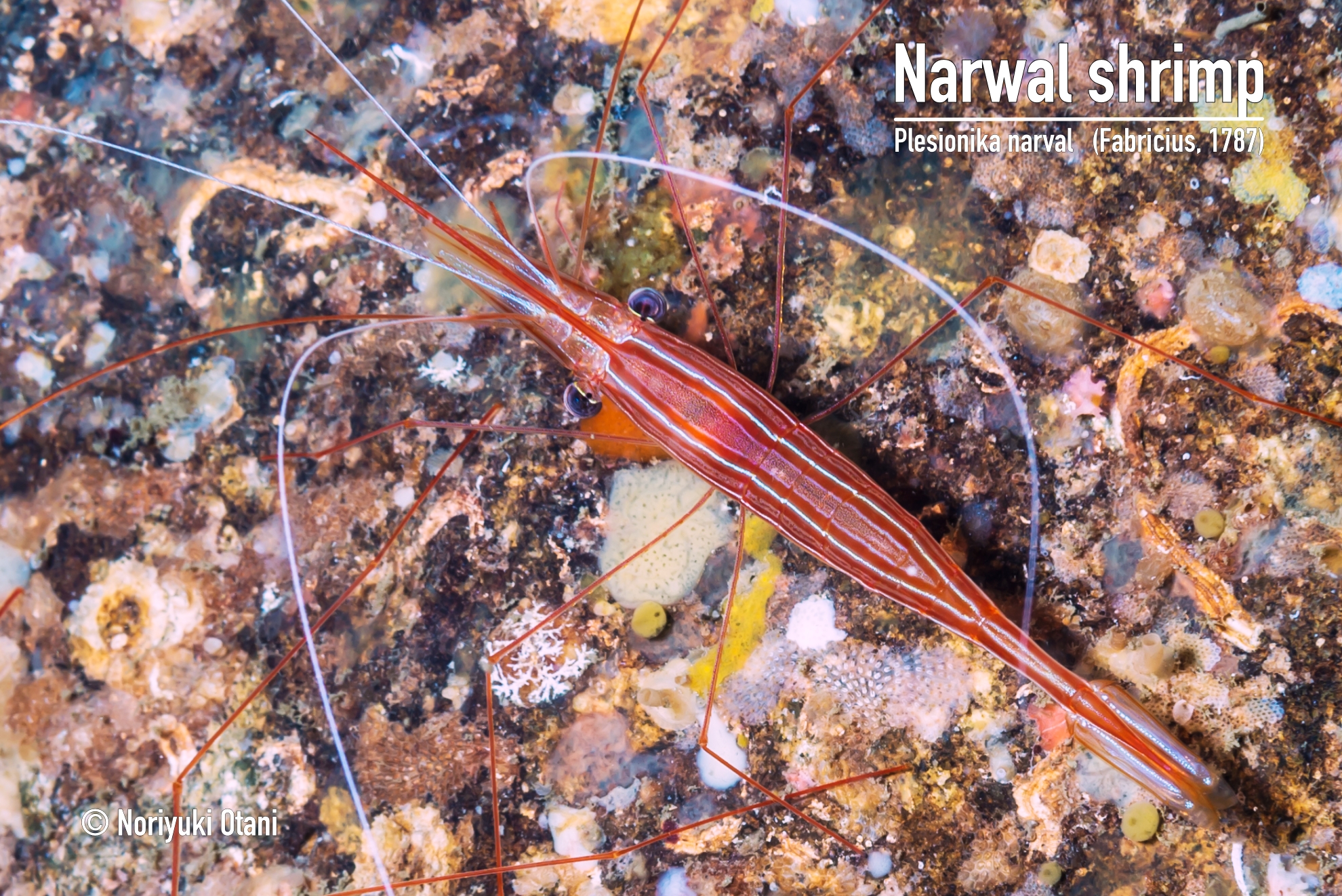
According to Sealifebase, “Narwal shrimp, Plesionika narval (Fabricius, 1787) occurs at depths of 10 to 900 m, is found between 200 and 400 m “. This photo was taken at Owase, -20m. Several places in Japan, Wakayama, Izu, This shrimp is found at not-so-deep-water (-20 to -40m) where we can visit with Scuba. Narwal shrimp is called Okino-suji-ebi in Japanese. Oki-no meaning ”at open sea” or “at the ocean”. suji is the line. ebi is shrimp. It is the useful name that we can understand easily the shrimp where lives and what shape.
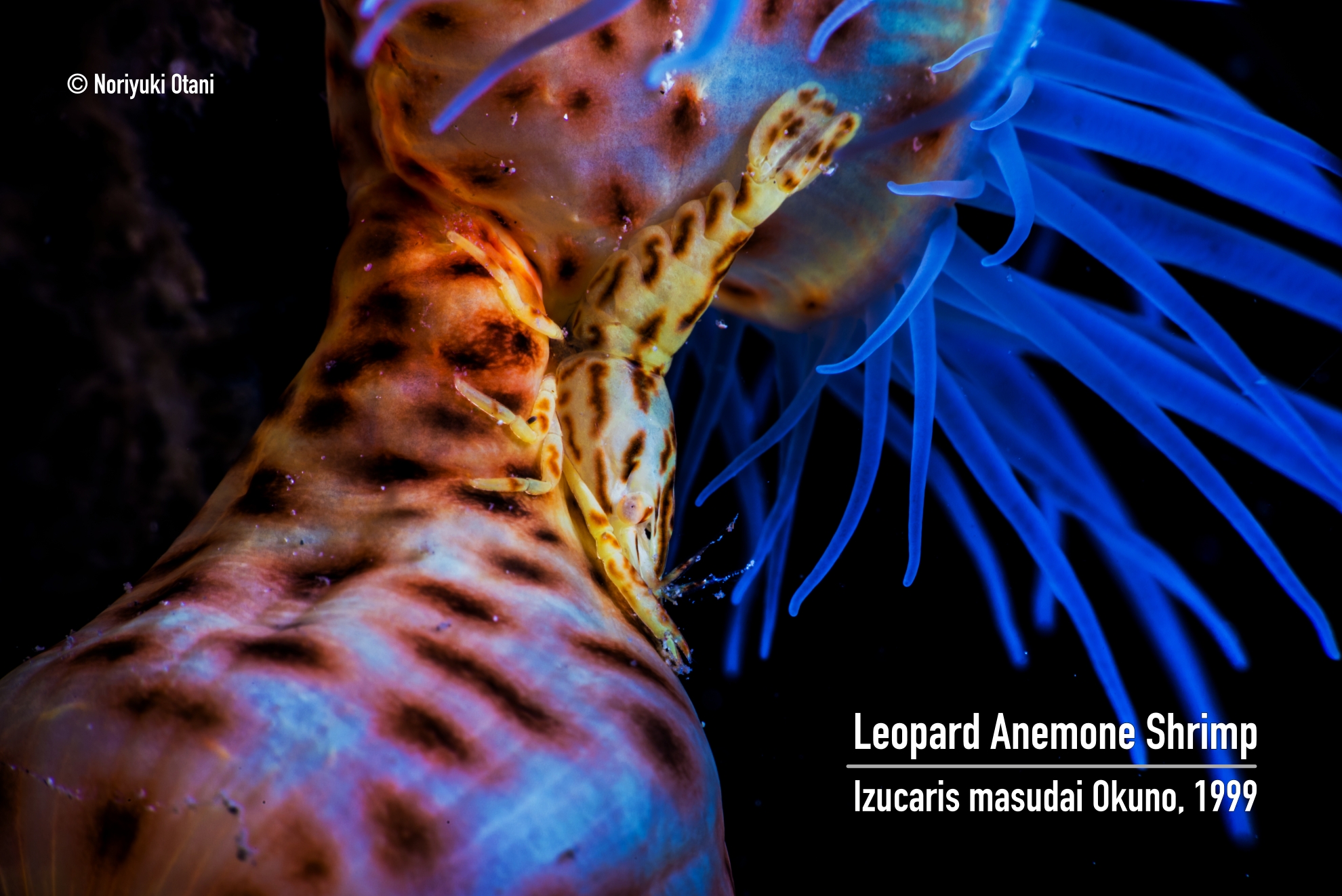
These days, Leopard Anemone Shrimps can be seen easily at Owase. Gorgonian wrapper anemone that the shrimps live has been known from over 20 years here. Though, as far as I know, Leopard Anemone Shrimps has been discovered within three years. Anemonefishes came to able to stay wintering also. Water temp may be coming up here also. Owase, Mie, Japan -20m
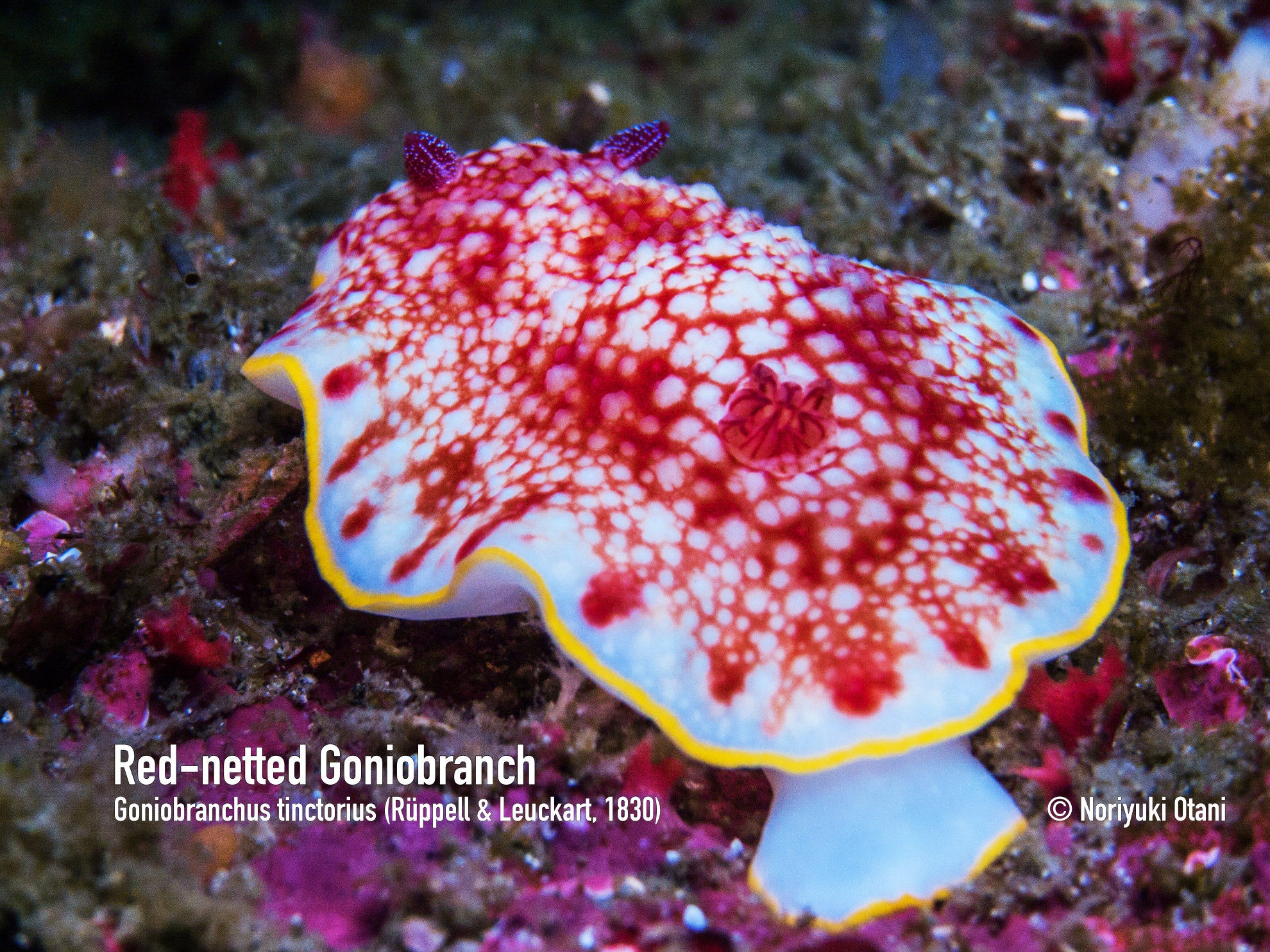
Red-netted Goniobranch is called “Sarasa Umiushi”. Umiushi meaning Nudibranch or Sea slug in Japanese. This is a common nudi at Owase. It looks like wearing red lace knitting. It may be named after as that looks.
According to Wikipedia, Sarasa is a dyeing and weaving term that refers to a cotton-colored pattern-dyed product of Indian origin and similar pattern-colored dyed products produced in Asia, Europe, etc. under the influence thereof.
-20m
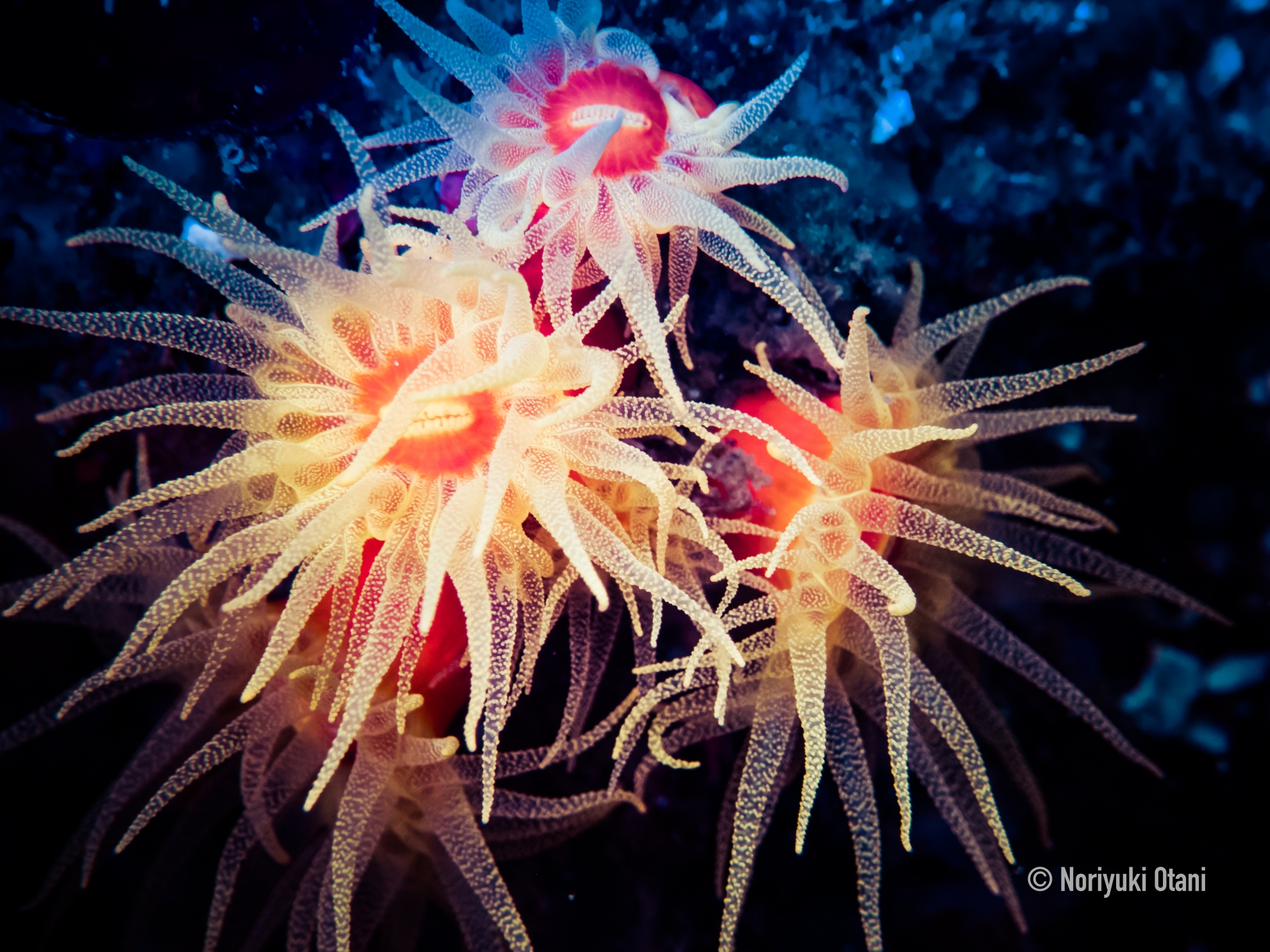
This coral like a flower can be seen on the wall of rocks or on pillars of artificial fish reef everywhere at Owase. This scene remembers the monster flower “Audrey II” that appeared the American rock musical comedy horror film “Little Shop of Horrors” directed by Frank Oz. As closer and looking at them, may be able to hear that laughter. Owase, Mie, Japan. -20m
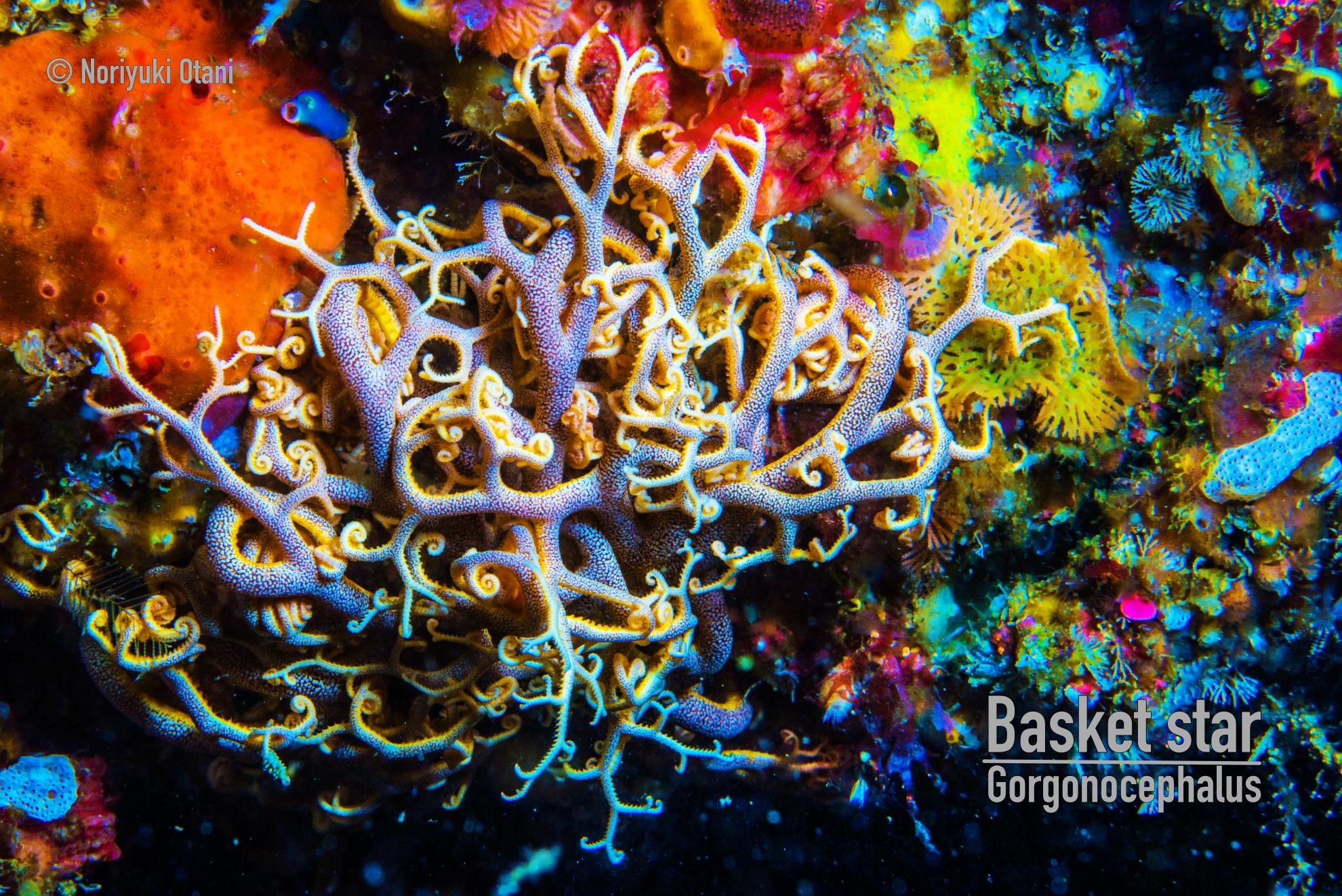
Abstract beauty in the sea. The head of “Medusa” or CG?
Tezuru-Mozuru in Japanese
The scientific name of Basket star is Gorgonocephalus. It comes from “Medusa”. She is the famous monster of Greek myth who has snake hair. “gorgós” means “dreaded” and “cephalus” means “head” in Greek. Although it makes me a stone also, it’s meaning I am happy too much. It is rare to find this creature. It looks like a moving fractal image reminiscent of early CG. It fascinates me. So, I can’t move away in front of that, like a stone. Owase, Mie, Japan. -20m
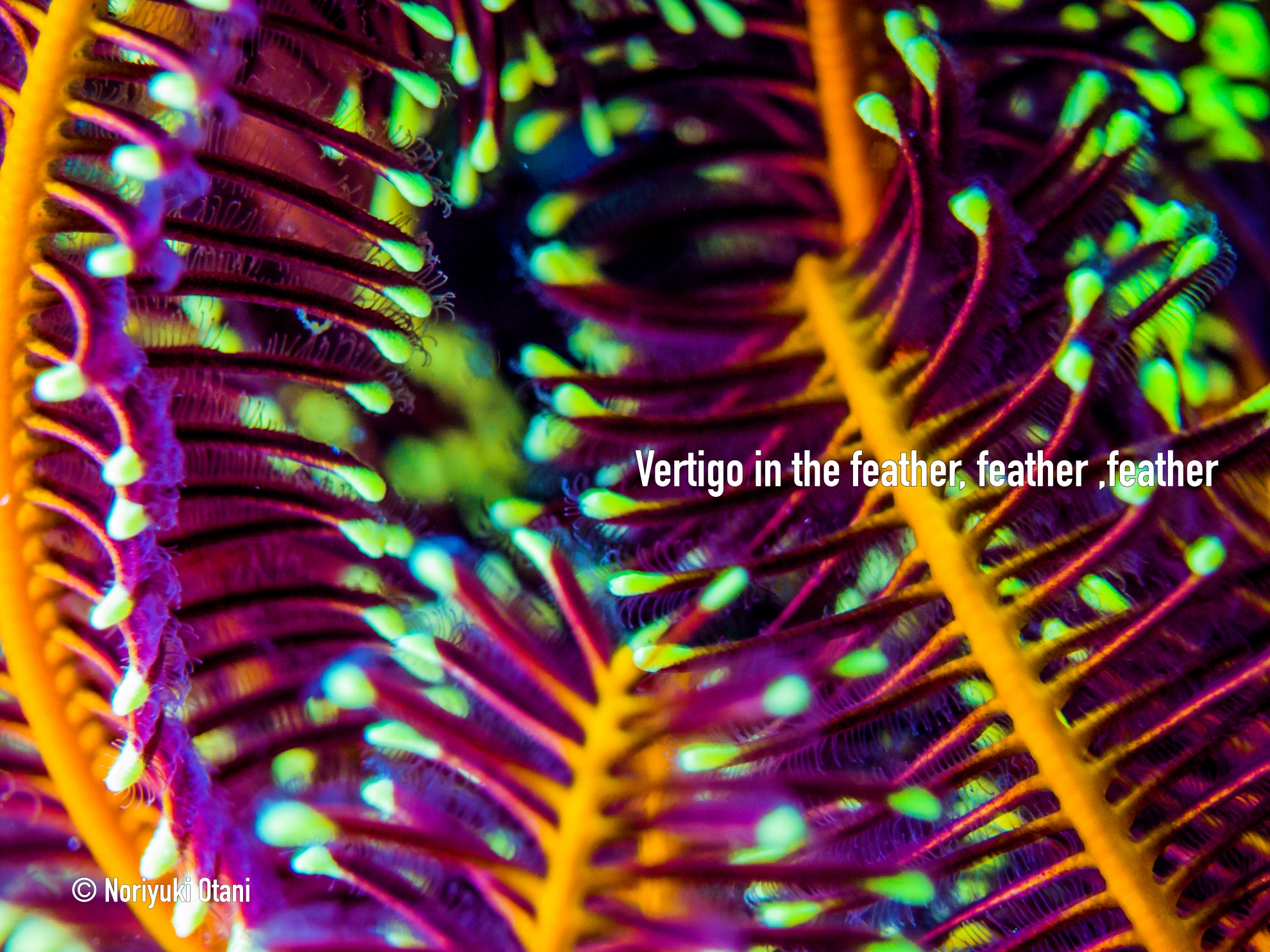
Abstract beauty in the sea.Vertigo in the feather, feather, feather
Umi-Shida in Japanses
Spirals, and floods of color attract for me. When looking through a macro lens, the usual feather star transforms into abstract art at once. Owase, Mie, Japan
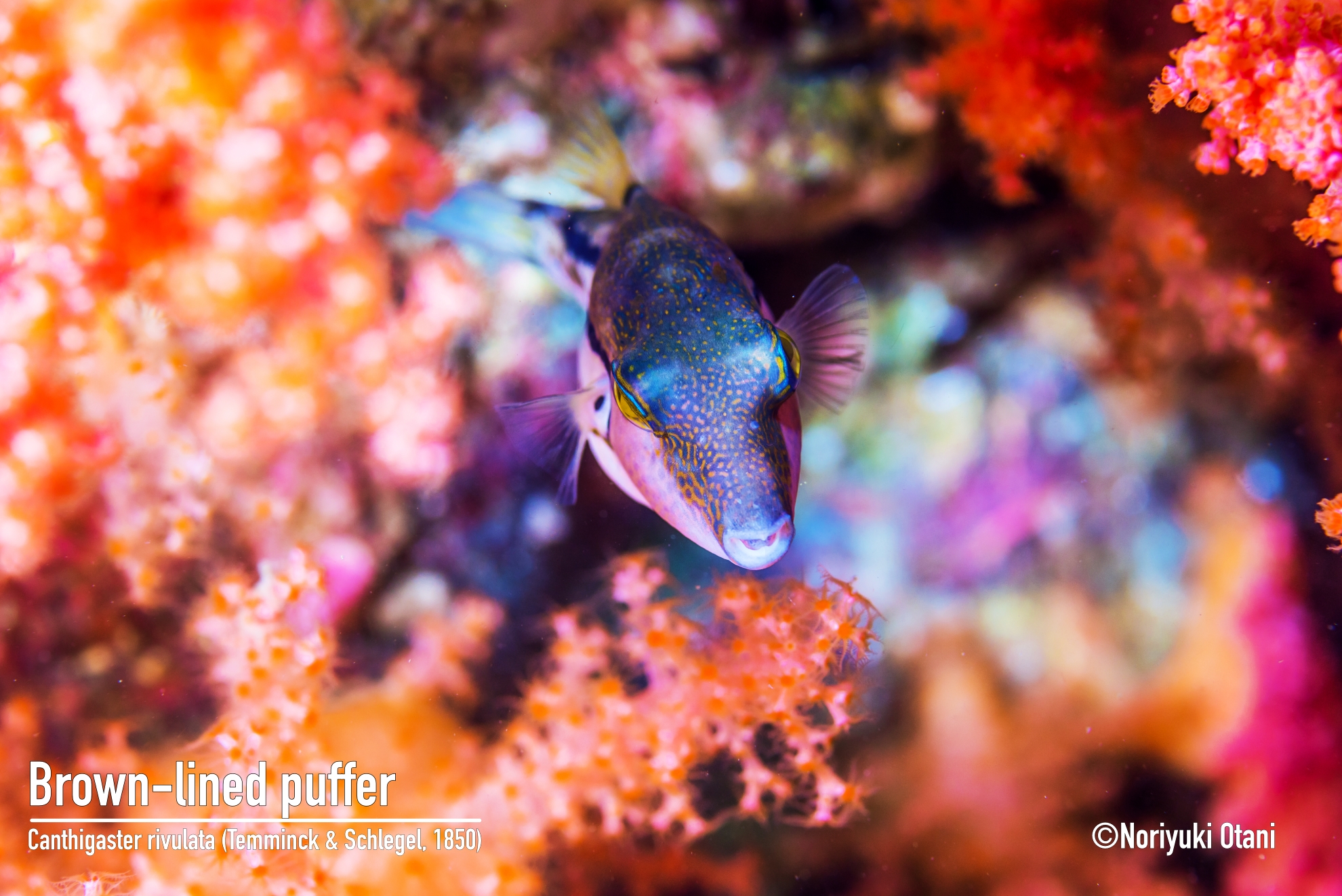
Brown-lined puffer is tiny pretty fish. It is often swimming around colorful soft coral woods. The Japanese name of this puffer is “KITAMAKUR”. KITA is north. MAKUR is a pillow.
In Japan, when people die, there is a custom of turning the head of the dead body to the north.
It means that you will die if you eat this fish, carelessly.
This fish is venomous like other Family Tetraodontidae.
The body of Brown-lined puffer is flatter than another puffer.
It is similar to an edible fish like the filefish. This sinister name is a warning that you should be careful not to make a mistake.
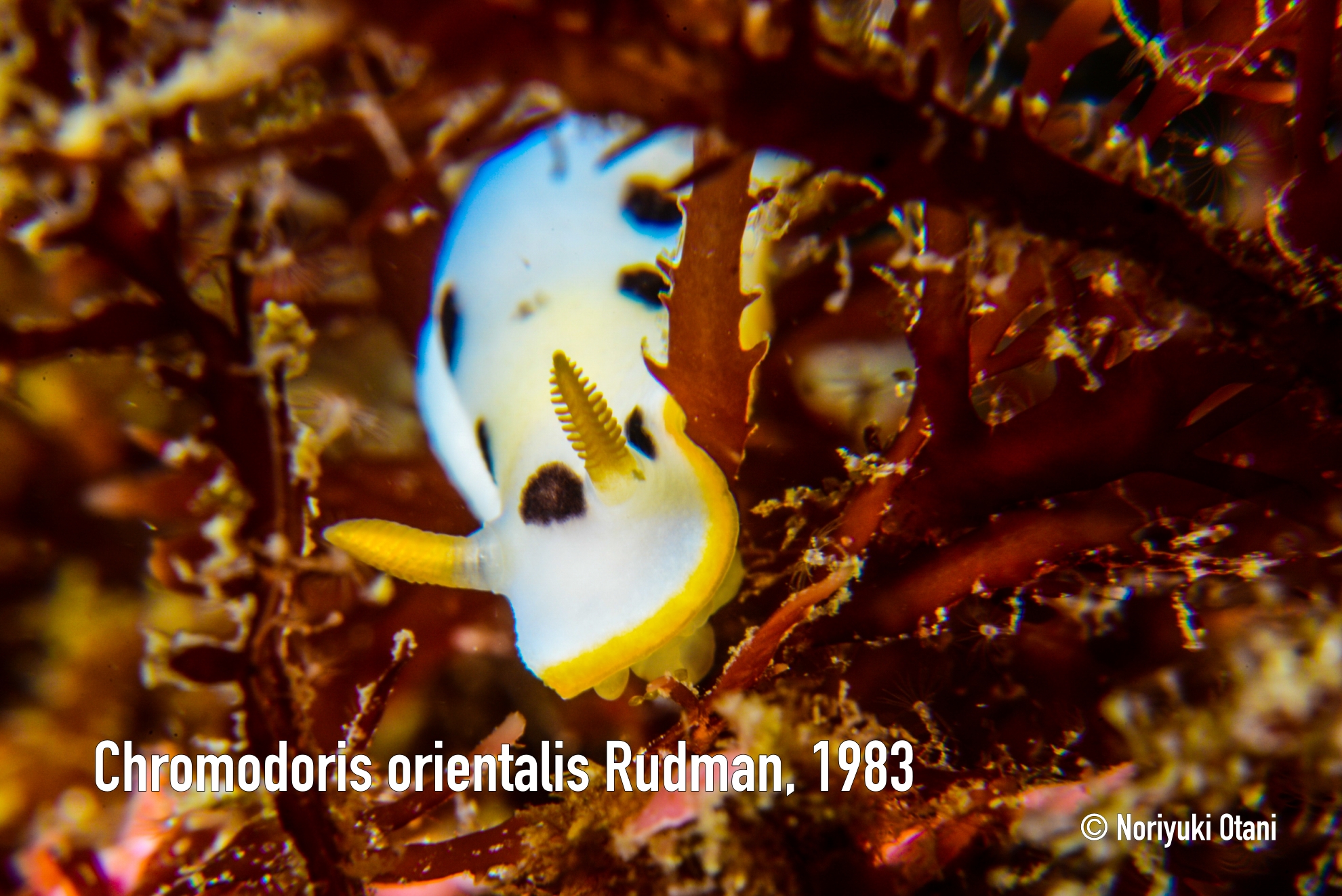
Chromodoris orientalis is feeding seaweed on a rock.
This nudibranch is commonly found at Owase. It is known as “Shiro-Umiushi=White sea slug” in Japanese common name.
Their fashion is very simple. So white body with black spots and orange-yellow fringe. That’s all.
Don’t you think it looks so stylish?
Wow!
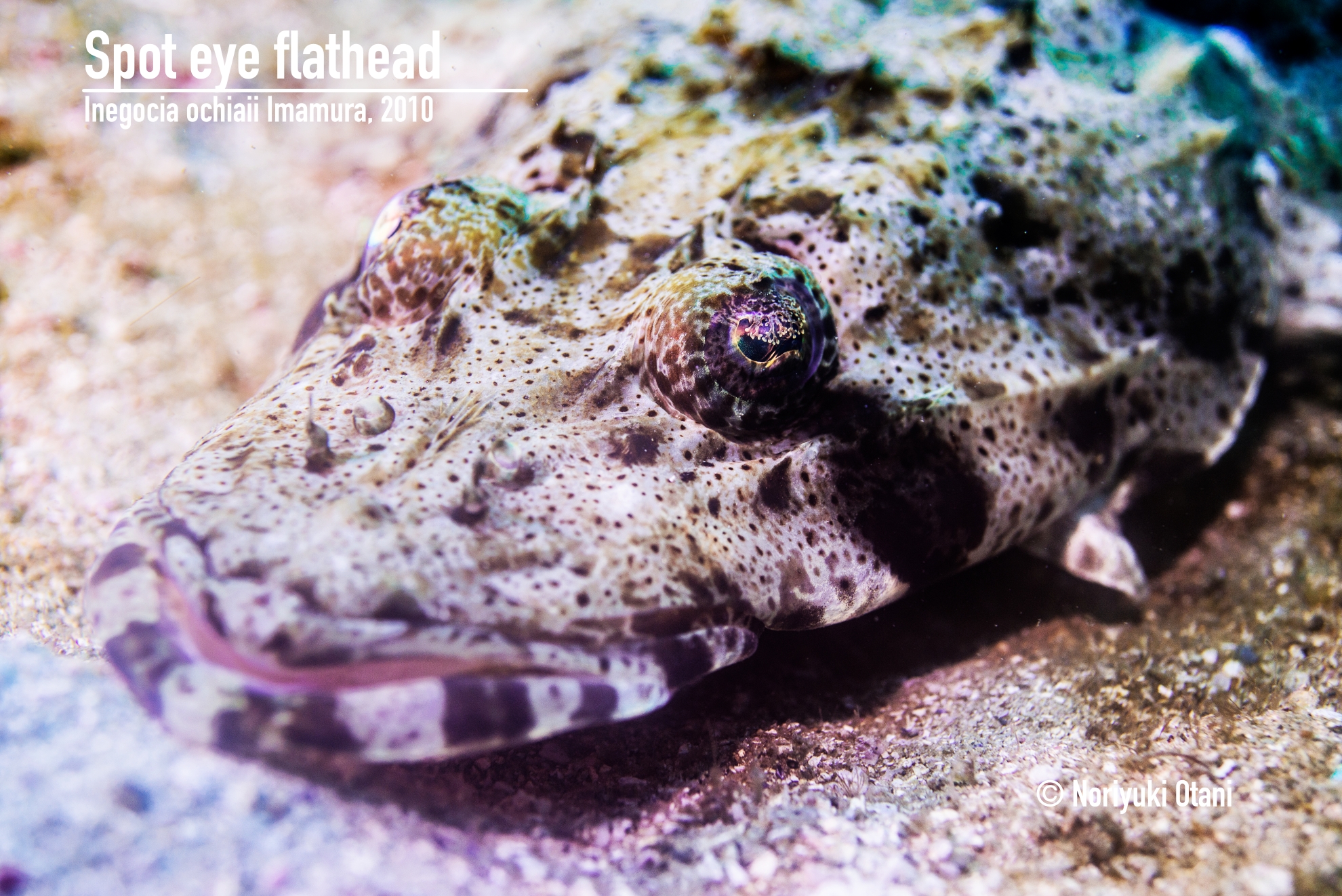
It is Crocodile Fish (Cymbacephalus beauforti (Knapp, 1973)) ! Is it right? The
answer is correct, and incorrect. This is Spot eye flathead (Inegocia ociaii
Imamura, 2010). It is called “Wani-Gochi” in Japan. “Wani” means
Crocodile. So, it can say “correct”. These two flathead is a very
similar shape. Crocodile Fish has lappets on each eyeball. And has eyebrow
above each eye. Spot eye flathead has lappets also, however, it doesn’t have
eyebrows on each eyeball. Spot eye flathead is found in coastal water more
south of Sagami-Bay in the Pacific side, more south of Wakasa-Bay in Sea of
Japan side. Crocodile Fish is the fish that is seen more south, like Kyushu
or Okinawa. So, the answer is incorrect. Anyway, when I find out a Sopt eye
falthead, I’m fun. I can feel tropical even in the Temperate sea. Kajika, Owase, Mie, Japan. -18m
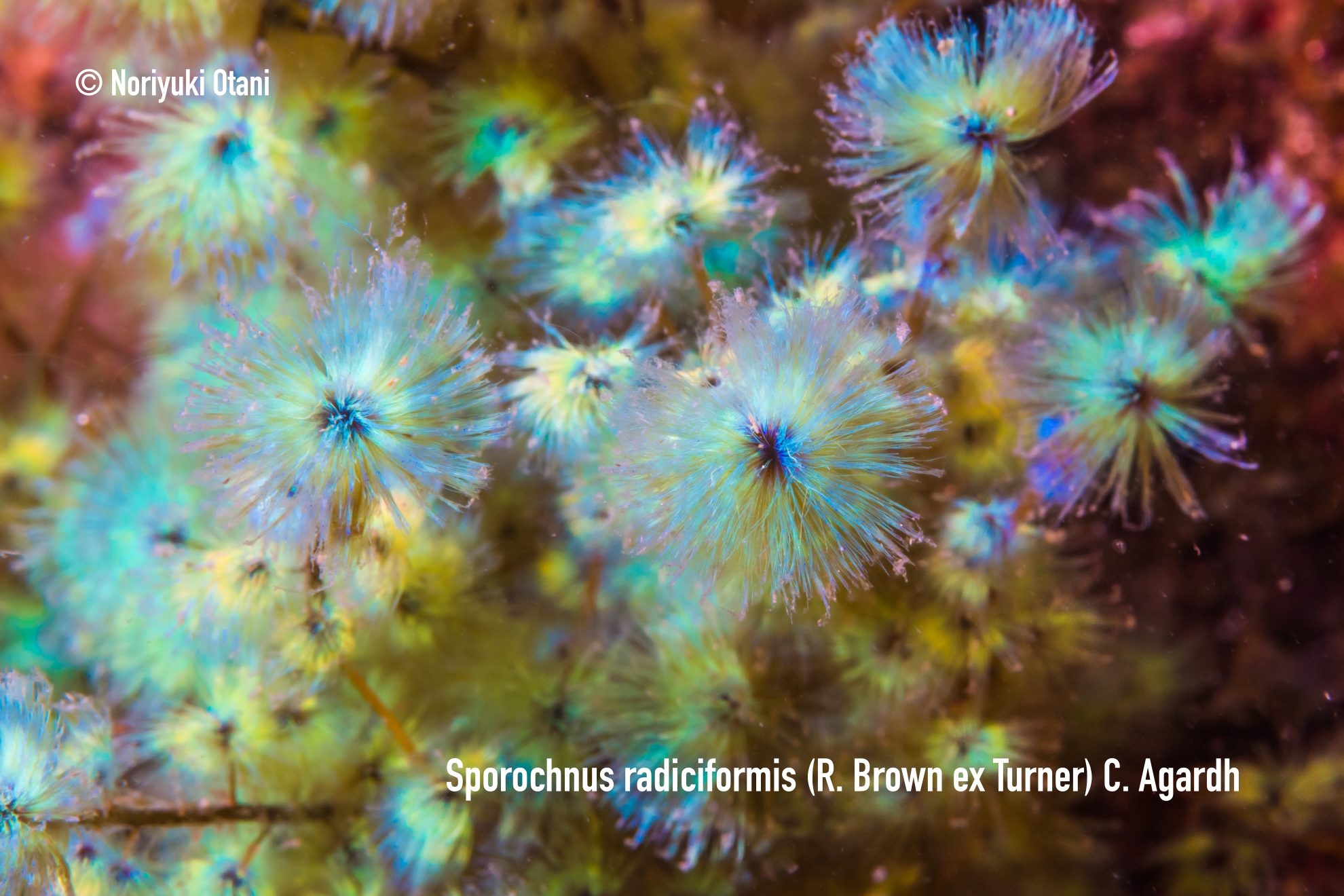
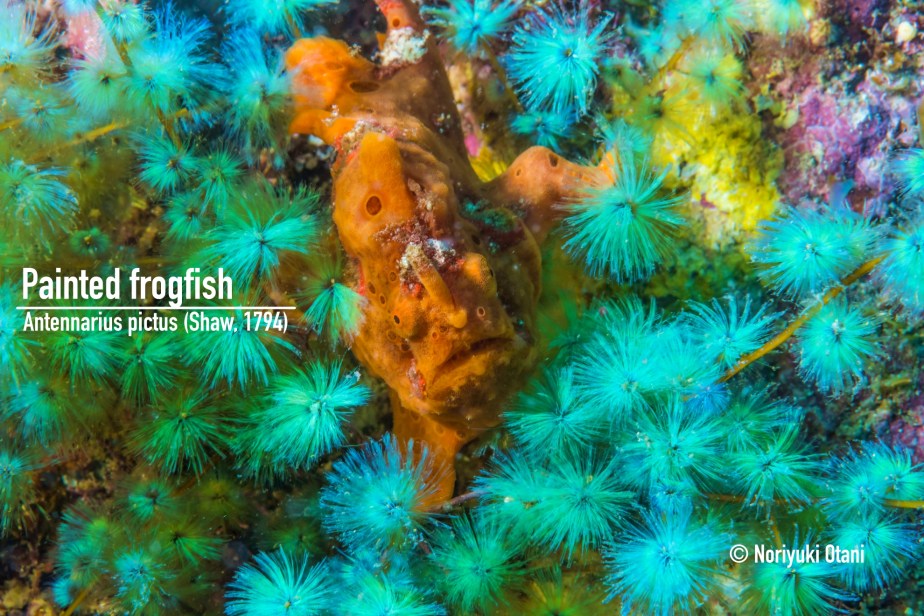
When Spring has come, we can see the algae which have a head like a small Pom Pom Ball on the end of branches. This algae is popular as the background of a photo of fish. This is Sporochnus radiciformis (R. Brown ex Turner) C. Agardh. It belongs to Class Phaeophyceae, Family Sporochnaceae. It is a distributed Pacific side south from Kanto. It is called “Keyari” in Japanese. At the Edo era (1603-1868), when a lord traveled as a corp, decorated spear, named Keyari, is used as the mark of the corp head, so it is called Keyari as the common name. This algae is distributed in Australia also. Please tell me a common name in English. Kushimoto, Wakayama, Japan.
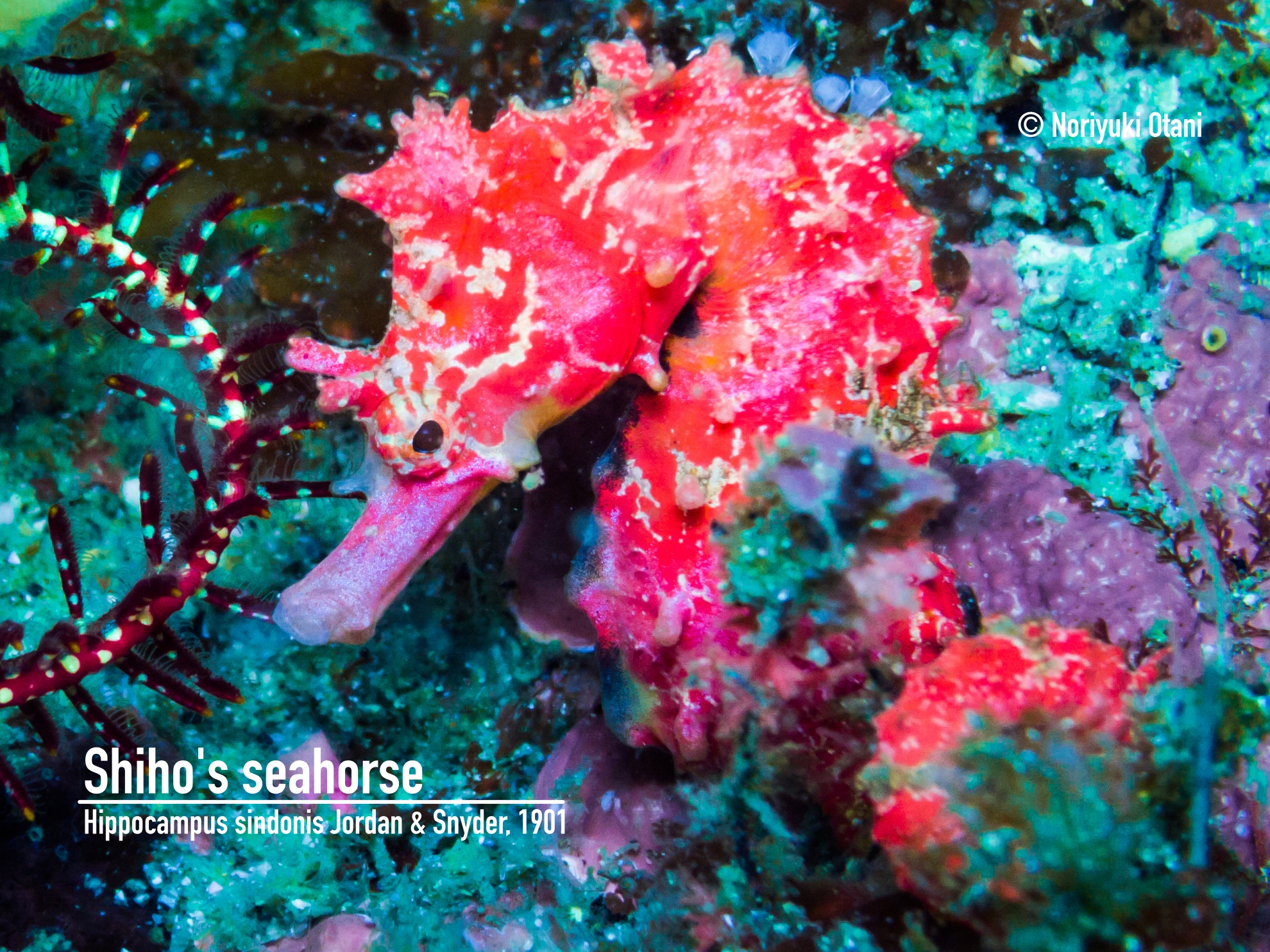
Looking at the seahorse, I always remember a scene from the old science fiction novel “The Maracot Deep (1929)”. This novel is the work of Arthur Conan Doyle, famous for the adventures of Sherlock Holmes. The story is the adventure that marine scientists discover the sunken city Atlantis. I can’t forget is the scene where huge size seahorse eating eyeballs of huge halibut. What’s even scarier, the victim halibut have been sucked its eyeballs by the slender mouth of seahorse. So that I was a child age, it made scare my little heart. The seahorse of the photograph is a small size one called Shiho’s seahorse. This is about only 5 cm, tiny, cute, creature. However, if it would be over 10m….. I think stupid thinking. Lol. Owase, Mie, Japan. -20m


 My Artworks